← Back to Projects
Balloon Satellite - Waterproof Power System & Environmental Telemetry
2025-08 - 2026-05
Balloon Satellite Power Systems Embedded Sensors Solar Harvesting Environmental Telemetry
Project Overview
This Balloon Satellite project involves designing the power system, sensing platform, and waterproof enclosure for a high-altitude payload operating in:
- Near-space conditions (to 100,000 ft / -70°F)
- Extended mission durations
- Payload recovery (UHABS-style recovery)
The platform is built for robust, long-duration atmospheric data collection in extreme environments.

My Contributions
Designed the power subsystem, sensor suite, and environmental protections, emphasizing thermal resilience and waterproofing.
Key Engineering Contributions
1. Waterproof, Thermally Resilient Power System
- Fully sealed, temperature-protected power architecture for -70°F and pressure drop
- Gasketed interfaces and internal mechanical isolation for battery safety
- Stable power delivery for avionics and sensors in low-pressure conditions
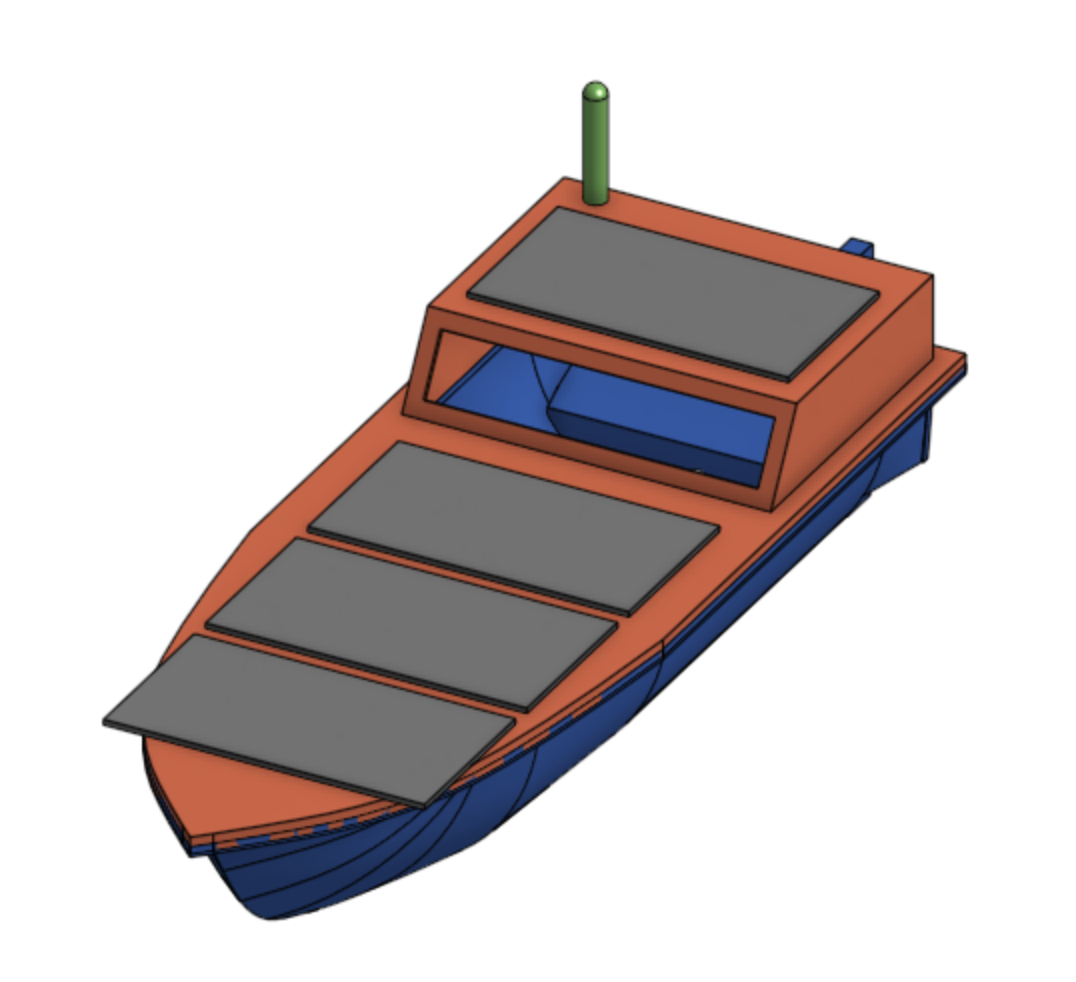
2. Solar Energy Harvesting & Charging
- Integrated solar harvesting module + charge regulator
- Designed circuitry for safe high-altitude charging
- Implemented low-power standby modes to extend mission lifetime
3. Environmental Telemetry System
- Multi-sensor array collecting: temperature, pressure, humidity, altitude, light
- I²C sensor integration with calibrated readings
- Real-time logging and telemetry pipeline for atmospheric data
Communication Link
- Raspberry Pi 5 for data handling and comms
Testing & Validation
Environmental Testing:
- Low-temperature chamber
- Pressure/altitude simulation
- Heat soak and humidity cycling
Waterproofing & Impact:
- Submersion testing
- Pressure-seal validation
- Drop/landing shock tests
Power Validation:
- Solar efficiency tests
- Battery runtime profiling
- Charge controller thermal tests
Results
- Reliable power delivery in near-space thermal conditions
- Solar charging increased mission duration by >35%
- Sensors remained operational during full temperature and pressure cycles
- Enclosure survived multiple submersion and impact tests
Future Work
- Add camera + IMU payload
- Larger solar array for longer missions
- Heater module or passive thermal buffer
- Move to a custom PCB-based avionics stack
Acknowledgements
- UHABS Program
- Hawai’i Space Flight Laboratory
- UH College of Engineering